‘Min-na’ means everyone in Japanese. Many Japanese find it difficult to object to ‘Min-na’s’ expectations. When Japanese people want to persuade someone to do what they think she/she should do, they often say ” ‘Min-na’ is doing so” or “‘Min-na’ is saying so”. It seems strange, but many Japanese people accept the opinion and refrain from doing what other people don’t do.Needless to say, it is impossible and ridiculous that ” ‘Min-na’ (everyone) is doing so”, and but many Japanese people believe the magical words ‘Min-na’ without a doubt.
This way of thinking is related to a Japanese phrase “Kūki wo Yomu”. If I translate it directly, it means “To read the air”. The detailed translation means “To listen, see, hear, and sense what others are feeling before taking action”. Because the most important value to Japanese culture is to maintain group harmony. ‘Min-na’ this magical word often makes the Japanese people lose their sanity and unconsciously follow what ‘Min-na’ is doing so, in result, it makes Japanese people more and more unhappy.
Let me give you two examples.
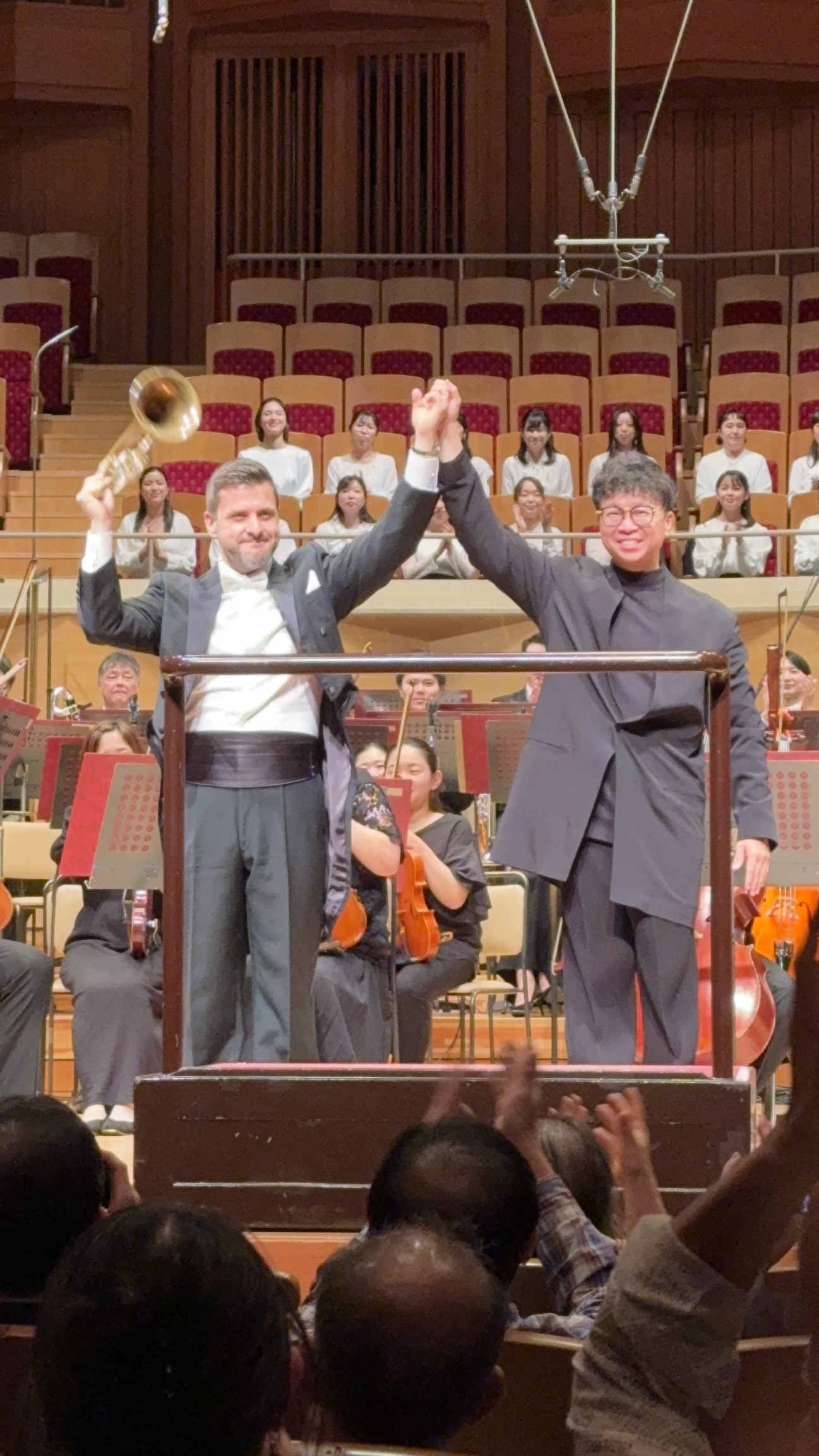
First, it was my personal experience. I went to a classical music concert one day in winter and took a seat in the last row in the music hall. Some audience members hung their jackets or coats on the backrest of their seat. The staff noticed them, then pointed out that the person in the back seat will be uncomfortable. I think this is a very legitimate reason in which the audience should follow.
But at the same time, I thought that because there was just a wall and no audience behind me, I could hang my coat on my backrest, and hung it. But one staff noticed and said to me “Please refrain from hanging your coat on your backrest.” It made me annoyed: “I think it is no problem, because there is no audience behind me.” She replied with a sad face: “Because we have ‘Min-na’ doing so.” I didn’t want to ruin the good mood before the concert, I listened to her and squeezed my coat under my seat. I experienced the same situation in many other concerts over and over. I hate to say it, but this rule is absolutely ridiculous!
Second, when the Covid-19 pandemic was spreading very suddenly, the Japanese central government began to distribute the vaccines to every local government to get the elders vaccinated. But many local governments were hesitant to give the vaccines to them, they explained “We don’t have enough vaccines to give to all elders, if we just give vaccines to some elders, it will be unfair to them.”
If they, as public servants, really wanted to contain the further spread of Covid-19, they should have given all vaccines that they got at that time to the elders. As for the ‘unfair problem’, there are many solutions. For example, a staff of a city hall streamed live on YouTube with his/her smartphone, after the mayor explained the situation of the vaccine shortage and then divided into several areas of their town on the map, and held a lottery live with a set of handmade lottery cars to designate some areas where all elders will be able to get vaccinated. And it would be more ideal that the government makes the most of social media to inform them and distribute the information through a local newspaper and TV programs on local television that many elders usually watch. If some citizens who can’t get vaccinated complain about it, the staffs should ignore them. Because every government has a great and huge duty to protect all citizens as best as they can, they don’t need to care for people who act selfishly at a critical time of the world.
I went off topic, but my point is I believe that because Japanese make sacrifices to maintain equality and harmony, it makes everyone unhappy, and it becomes harder and harder for ‘Min-na’ to live in Japan.